This project is led by the Marine and Freshwater Research Centre (MFRC) at Atlantic Technological University (ATU), in partnership with Munster Technological University and Environmental Research Associates (UK), and with expert advice from the Environment Agency (UK). The MFRC has strong competencies in freshwater monitoring and data analysis, and works closely with scientific and industry partners. The project benefits from a multi-disciplinary team with expertise in aquatic macroinvertebrates, fish and macrophytes, the development of freshwater biomonitoring tools, hydromorphology, statistical analysis and modelling.
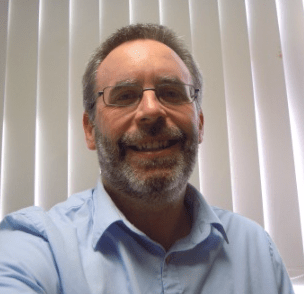
Dr Martin Gammell
Atlantic Technological University
Principal Investigator, Project Manager and Work Package Leader
Dr Martin Gammell is an experienced freshwater biologist and behavioural ecologist with research interests in the management and conservation of aquatic animals and habitats. He has a specific interest in the biodiversity and conservation of freshwater invertebrates, particularly caddisflies and crayfish. In a previous role (2005-2008) with the Environment Agency (UK), he gained substantial experience in river monitoring using aquatic macroinvertebrates, macrophytes and diatoms.
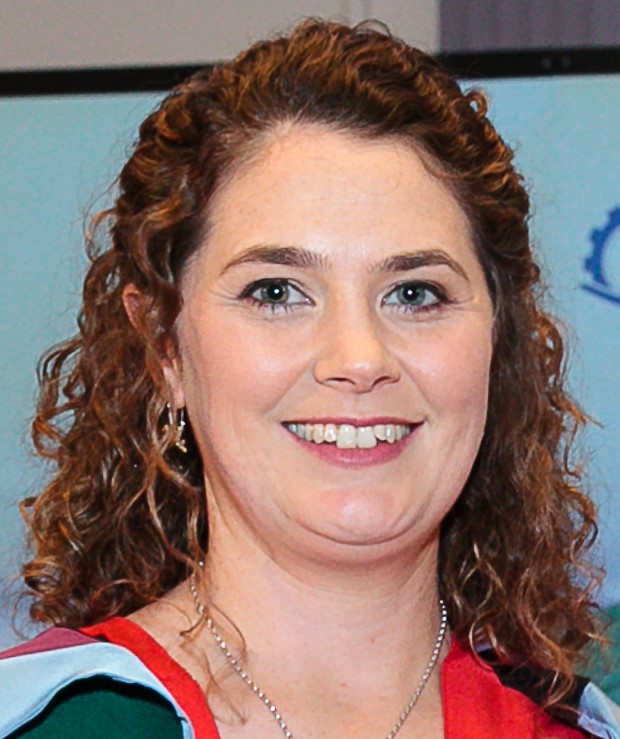
Dr Heather Lally
Atlantic Technological University
Principal Investigator and Work Package Leader
Dr Heather Lally has more than 8 years’ research experience and 4 years’ project management experience, and lectures in freshwater biology/ecology. Her expertise lies in wetland creation and habitat monitoring, water chemical analyses, freshwater pollution management and the application of drones to conduct water sampling. Dr Lally has expertise in the identification of diatoms, desmids, macrophytes and macroinvertebrates.
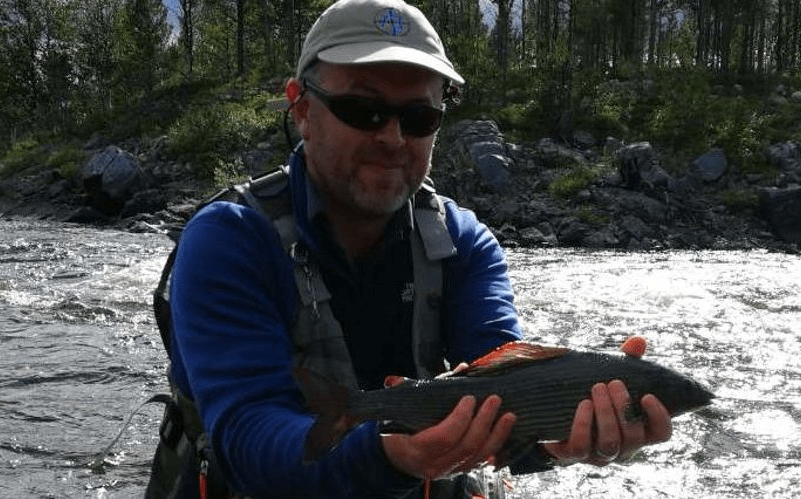
Dr Conor Graham
Atlantic Technological University
Principal Investigator and Work Package Leader
Dr Conor Graham has research interests in foodweb ecology, the impact of cultural eutrophication and forestry on aquatic systems, biodiversity conservation, climate change, food traceability and the development of sustainable marine fisheries. Dr Graham has research experience in the impact of anthropogenic activities on abiotic and biotic components of rivers and lakes. His current projects include research into the effects of climate change on the ecology of Atlantic salmon and the European eel, the effects of marine protected areas on ecosystem services and the development of traceability tools for seafood.
Dr Andrés Peredo Arce
Atlantic Technological University
Postdoctoral Researcher
Dr Andrés Peredo Arce is a limnologist specialised in data science and ecological processes at community level. He has research expertise in freshwater macroinvertebrates assemblages and their functional diversity, from dispersal to stress sensitivity. In the past he has worked with a variety of organisms, ecosystems and processes, such as fish, tropical forests and seed dispersal. His research interests lie in metacommunity theory applied to freshwater organisms and its interaction with shifting environmental conditions and landscape heterogeneity.
Dr Lynda Weekes
Munster Technological University
Principal Investigator and Work Package Leader
Dr Lynda Weekes recently completed a PhD entitled ‘The development of an aquatic vegetation classification system and monitoring protocol for Irish Rivers to support biodiversity reporting requirements and conservation planning’. The research involved creating a River Macrophyte Database, by incorporating available Irish river macrophyte data in to the NBDC’s National Vegetation Database. From these data, and extensive field surveying, an Irish National Vegetation Classification System for Irish Rivers was constructed and subsequently, monitoring protocols and efficiency of macrophyte as bioassessment tools were evaluated.
Dr Chris Westwood
Environmental Research Associates, UK
Lead Researcher
Dr Chris Westwood has research interests in the hydroecology of intermittent rivers. His work has encompassed: Development and testing of novel assessment methods for rivers under low-flow and no-flow scenarios; Establishment of ecological flow thresholds (macrophytes and macroinvertebrates) for several rivers in the Thames catchment, under the UK Environment Agency’s ‘Restoring Sustainable Abstraction’ programme; Whole river assessments (macrophytes, macroinvertebrates, hydrology and abstraction regimes) on behalf of the UK EA; The production of an updated classification of a 22-year macrophyte dataset of chalk stream sites across southern England; Supply of macrophyte monitoring services and data analyses to combined EA and water company projects; member of an EU- funded working group (Science and Management of Intermittent Rivers and Ephemeral Streams) which seeks to develop new assessment tools and working methods for European rivers.
Dr Chris Extence
Environment Agency, UK
Expert Advisor
Dr Chris Extence has held a variety of positions in the Environment Agency and its predecessors. During this time he has maintained links with a number of academic institutions which has included supervision of several PhDs. He has authored/co-authored numerous scientific papers and his current research interests include the impacts of modified hydromorphology on freshwater biota and the ecology, spread and control of invasive species. He was the lead developer of a number of methodologies using freshwater macroinvertebrate communities to assess and quantify a range of pressures and environmental conditions, including LIFE (flow variability), PSI (fine sediment) and CCI (conservation status).
Dr Mike Dunbar
Environment Agency, UK
Expert Advisor
Dr Mike Dunbar has 26 years’ experience linking the physical and biological sciences, primarily in freshwaters. He spent 17 years working at the Centre for Ecology and Hydrology, researching how multiple anthropogenic stressors influence river ecosystems. For the past six years he has put his research into action in the Environment Agency, with the aim of developing tools to help manage the environmental impact of water abstraction and drought. His specialist areas of expertise are: Environmental flows, particularly relating to the environmental impacts of surface and groundwater abstraction and reservoirs; The environmental impact of drought and dry weather, especially in freshwaters; Statistical modelling of spatial-temporal environmental monitoring datasets, primarily for rivers and their catchments; The impact of land management on river ecology; The EU Water Framework Directive, particularly ecological monitoring and assessment; Acting as an intermediary to bring together disciplinary specialists in physical/chemical catchment science, water resources and freshwater/terrestrial ecology.
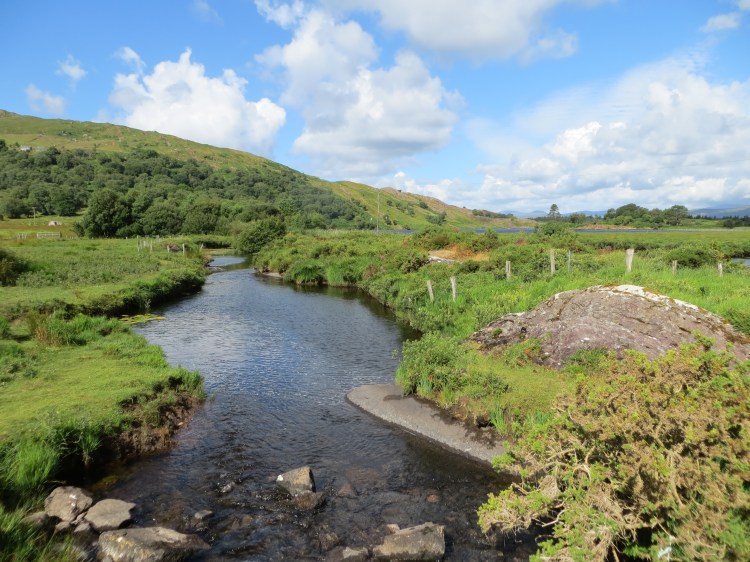
 River Flow and Ecology